White House Correspondents Association Scholar: Political Violence is a new normal, but silence is not.
Receiving the honor of being one of three White House Correspondents’ Association Scholars from Ohio University, not to mention one of 30 chosen out of the nation annually, is a once-in-a-lifetime honor that I will hold for the rest of my life.
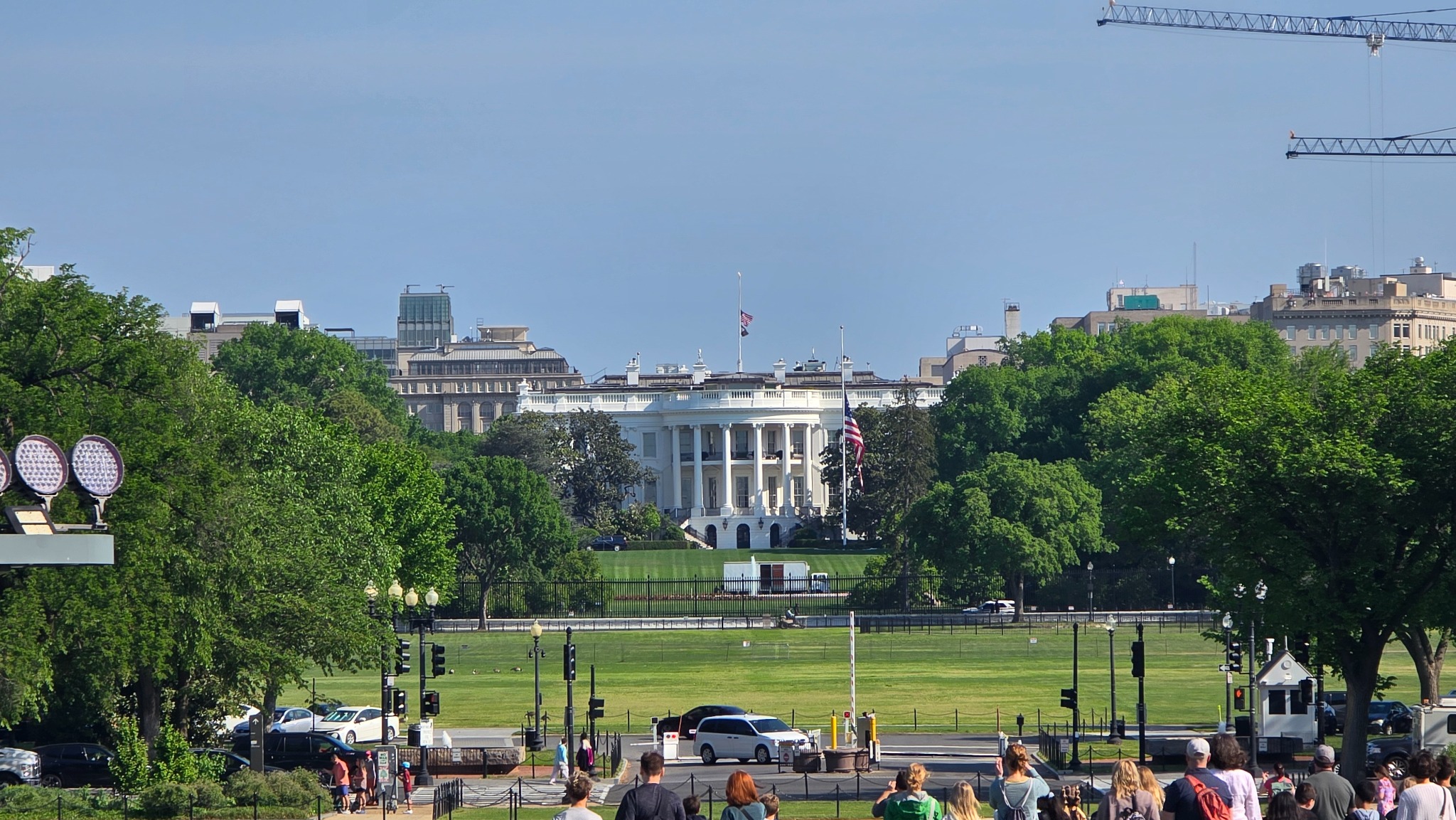
I was able to take a trip to Washington, D.C., the first time I have ever visited the state in my life, in order to “schmooze,” as I like to call networking, with some of the best in the industry. I was able to tour the White House Press Briefing room, which is a lot smaller than the entertainment industry makes it seem, while meeting some of the white house press staff.
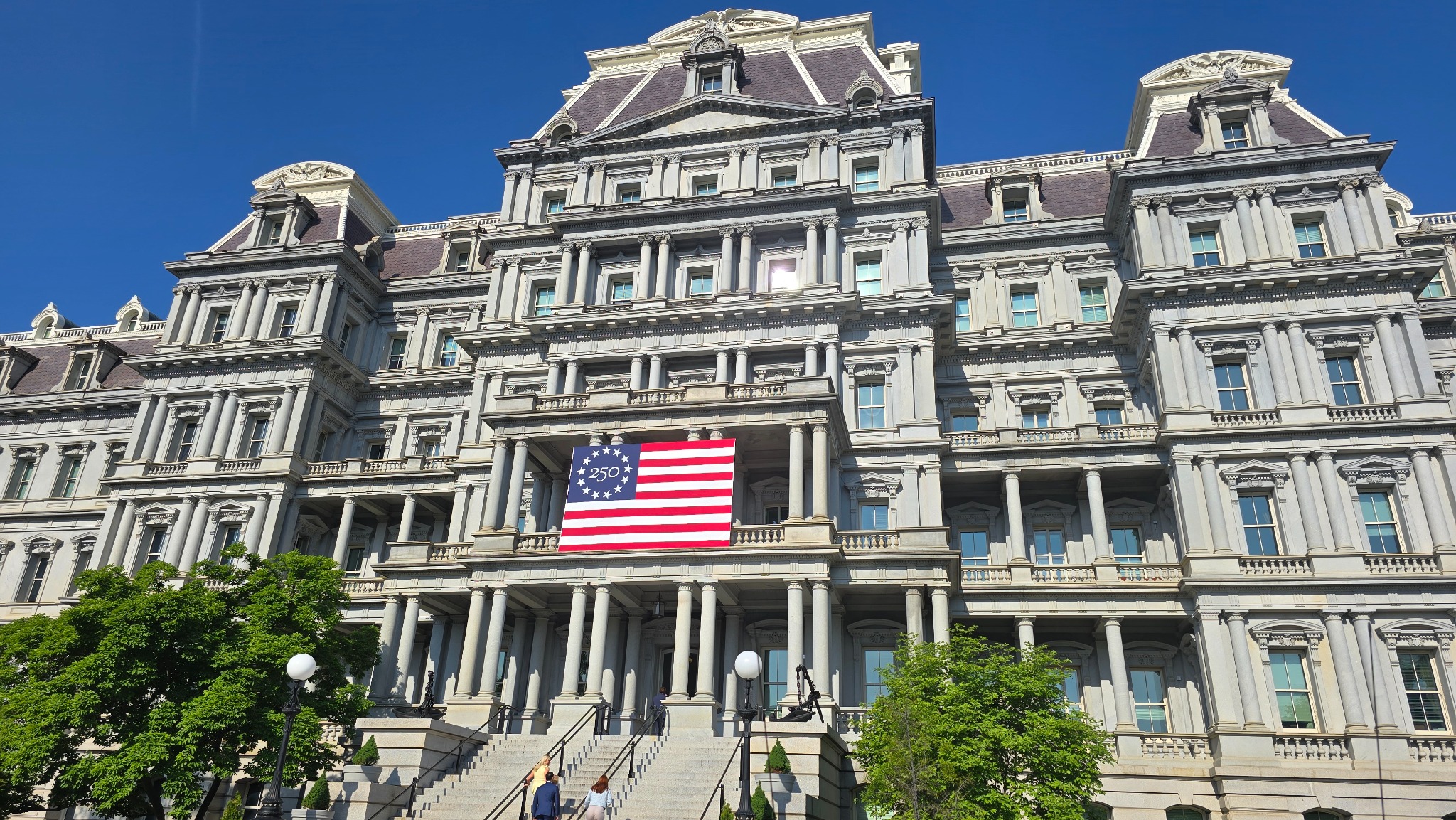
We were able to go into the Eisenhower Executive Office Building, a building marked by grand architecture and interior design that marks the late 1880s influence, to meet two of the White House’s Deputy Press Secretaries.
During this event, I was matched with a mentor and met some extraordinary students who are doing amazing work at their universities. Some scholars, coming from as far as Puerto Rico, and dealing with union strikes and protests that have halted all activity on their campus; using their journalistic skills to inform and keep their communities updated on the situation.
I had the honor of visiting the National Museum of African American History and Culture. It was one of the most transformative experiences outside of the attempted assassination of the president that I went through on the trip.
Learning the history and impact of black journalism and writing, it has always been a key medium of progress for the underrepresented. Whether it is traditional news reporting, opinion, political commentary, traditional narrative writing, screenwriting, poetry or autobiographical manuscripts, writing has opened the doors for innovation and progress.
Being in the middle of the chaos during the White House Correspondents’ Dinner, there were many things reinforced to me, including:
1. Journalism is an important and dangerous endeavor that will always be a necessary duty; we hold the profession of an extraordinarily important public service.
2. Empathy and humanity should always lead our reporting. As journalists, we must recognize that the stories we cover reflect people’s real lives, and approach every interaction with care, understanding, and respect.
3. Ethical and moral reporting should always be the goal of a story; misinformation spreads fast, and if it can not be confirmed, do not report it.
But, I also walked away with understanding the importance of humane-representative reporting. The understanding of situational nuance, along with the empathy of those in these vulnerable and traumatic events, is at the forefront of my journalistic and creative endeavors.
Not wanting to be the face of the traumatized students of the event, my fellow OU recipients and I made a joint decision to decline to comment with media outlets. While they were kind, we decided to give our story the appropriate care it deserved, versus handing our story over to those who wanted a scoop.
It was officaly published 11 May, to the Post Athens.
Here is the link to the offically published article: https://www.thepostathens.com/...
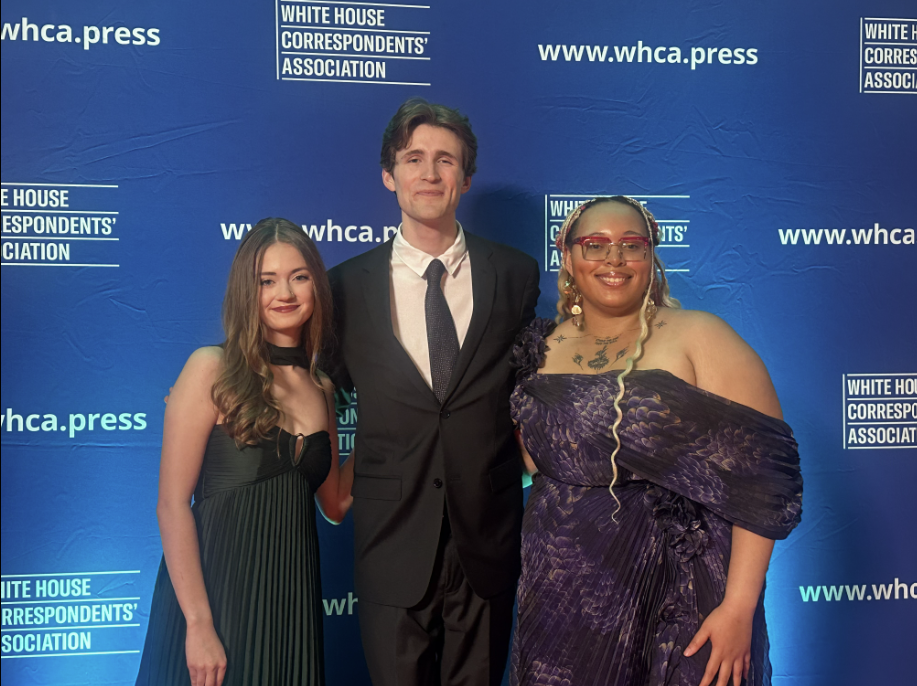
My essay for the White House Correspondents Association (WHCA) Scholarship.
Post a comment